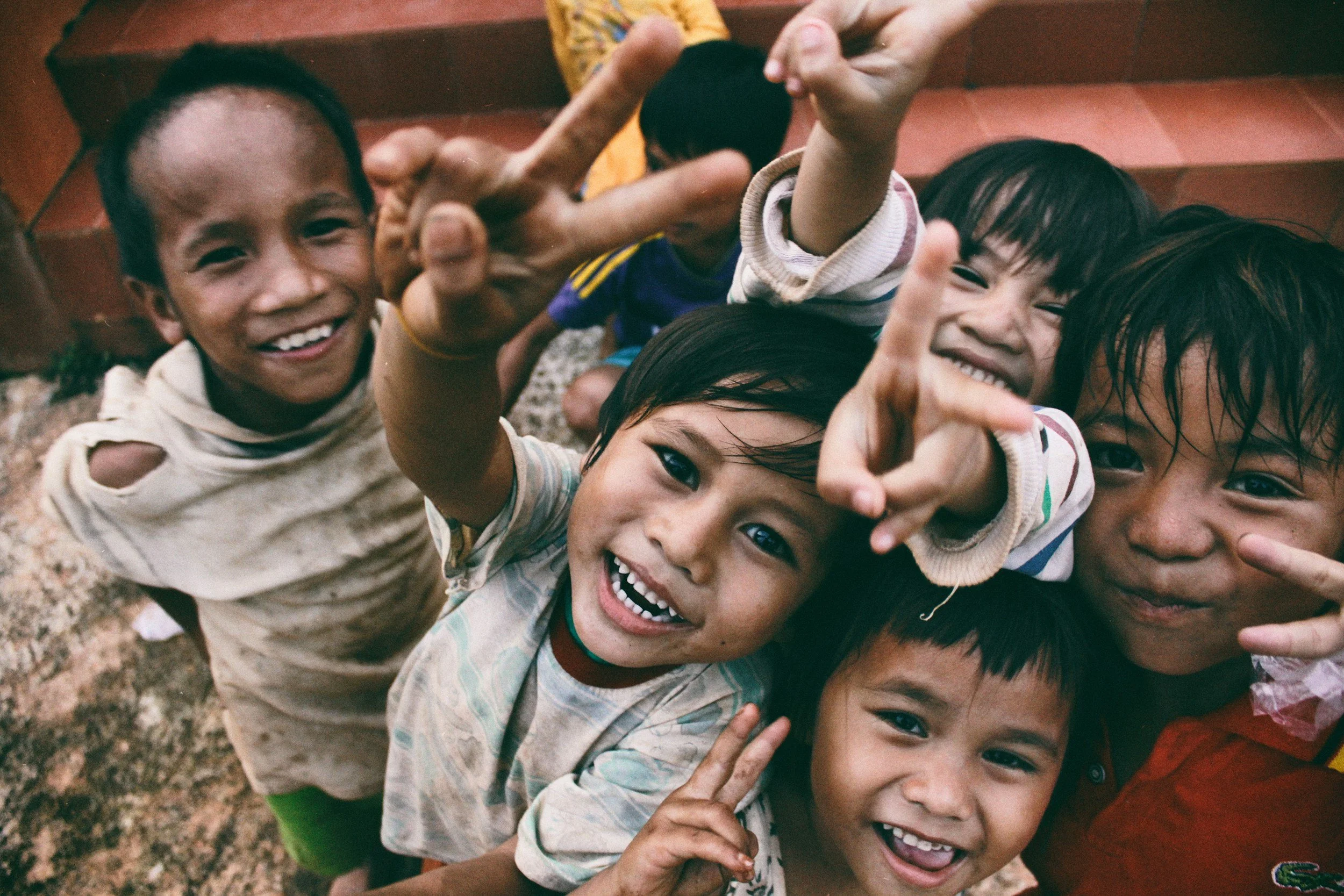
Because of them.
“For if we fail to protect our most vulnerable members of society
- if we fail to protect our young -
what does that say about us as a species?” — LMK
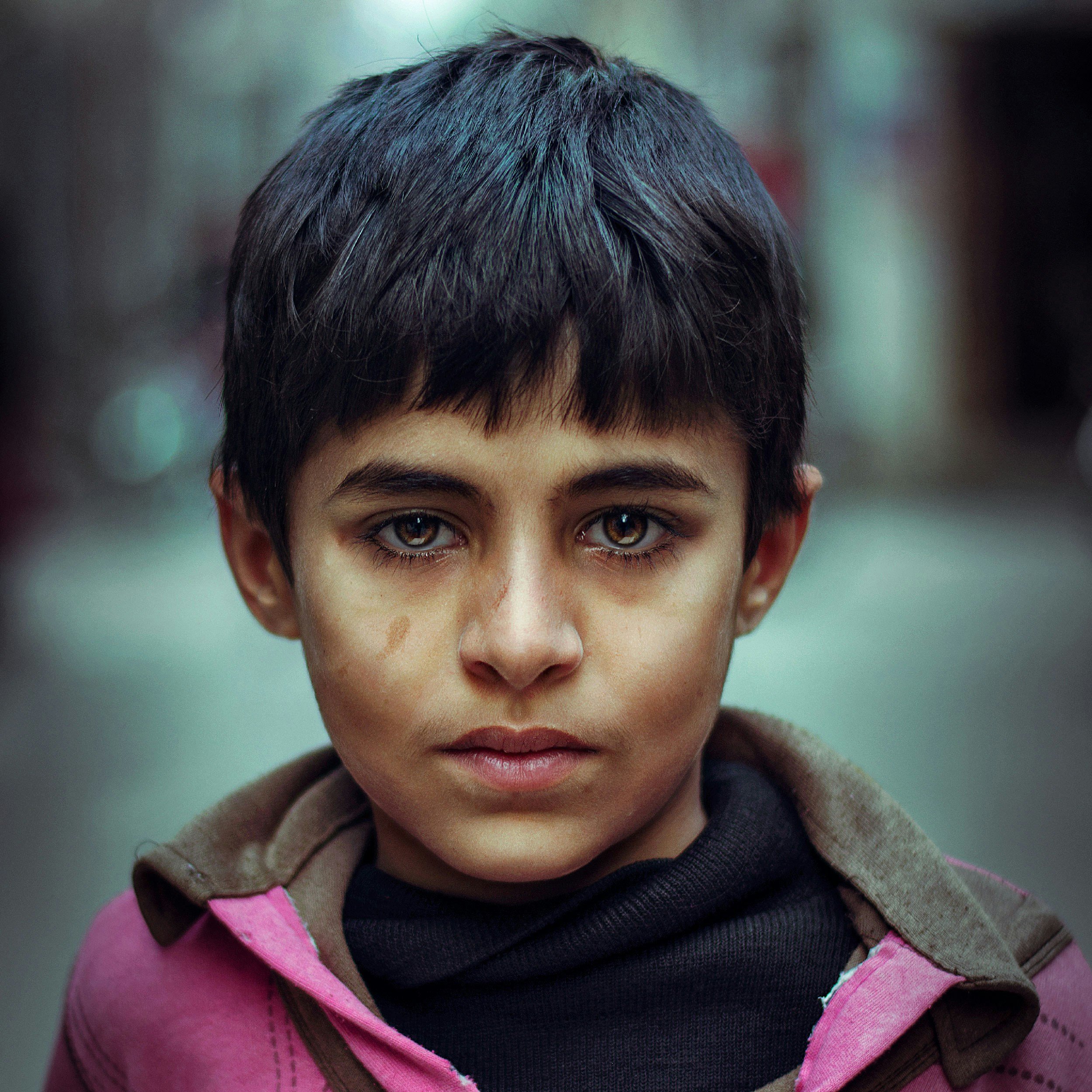
“Why should I bother coming to class? You’re just going to end up leaving like all the others,” he said, looking up at me with eyes that seemed too worn for his eight years. I stood there, nineteen and idealistic, feeling the hot Cairo sun pressing through the open windows, the weight of his words settling deep into my chest. I had come to teach English to the children of this small, impoverished village on the outskirts of the city, a place no outsider dares trespass. Little did I know, that day, it was I who became the student.
⋯
The silence that followed was heavy. His small frame was rigid, his gaze steady, as if daring me to promise I’d be different. My throat tightened, words lost in the ache that swelled as I realized the truth in what he was saying. His spirit had been chipped away by abandonment. One well-meaning visitor after another coming into his life — leaving just as quickly. I wanted to say something. Anything. Yet all I could do was stare back into his eyes, because while it shattered my soul to admit, I knew that I too would leave.
And eventually, I did.
For ten years I have carried his words with me, a reminder of the pain I was only beginning to understand. That day, that experience, that boy, changed the trajectory of my life. Having moved to Egypt at 17 to pursue my bachelors - alone and naive - I was unprepared for the harsh realities of life.
Or so I thought.
Looking back almost nine years later, I realize life took me exactly where I needed to be. For if I hadn’t followed my intuition, if I hadn’t walked through the fears and stepped into the unknown, the person writing this now would have never come to be.
And still, the journey continues.
Who I Am
I have always been drawn less to answers than to the conditions that produce them. To the quiet forces that shape behavior long before it becomes visible, and to the moments where intention and outcome quietly diverge. My attention moves instinctively toward thresholds. The spaces between power and vulnerability, structure and absence, control and collapse.
I see the world not as a collection of events, but as an interwoven field of relationships: between bodies and institutions, memory and behavior, language and authority. What we call “systems” are, to me, expressions of human psychology at scale — carrying the same patterns of fear, avoidance, attachment, and defense that govern individual lives. When institutions fail, it is rarely because of malice. It is because they replicate, at scale, the same unresolved tensions we avoid in ourselves.
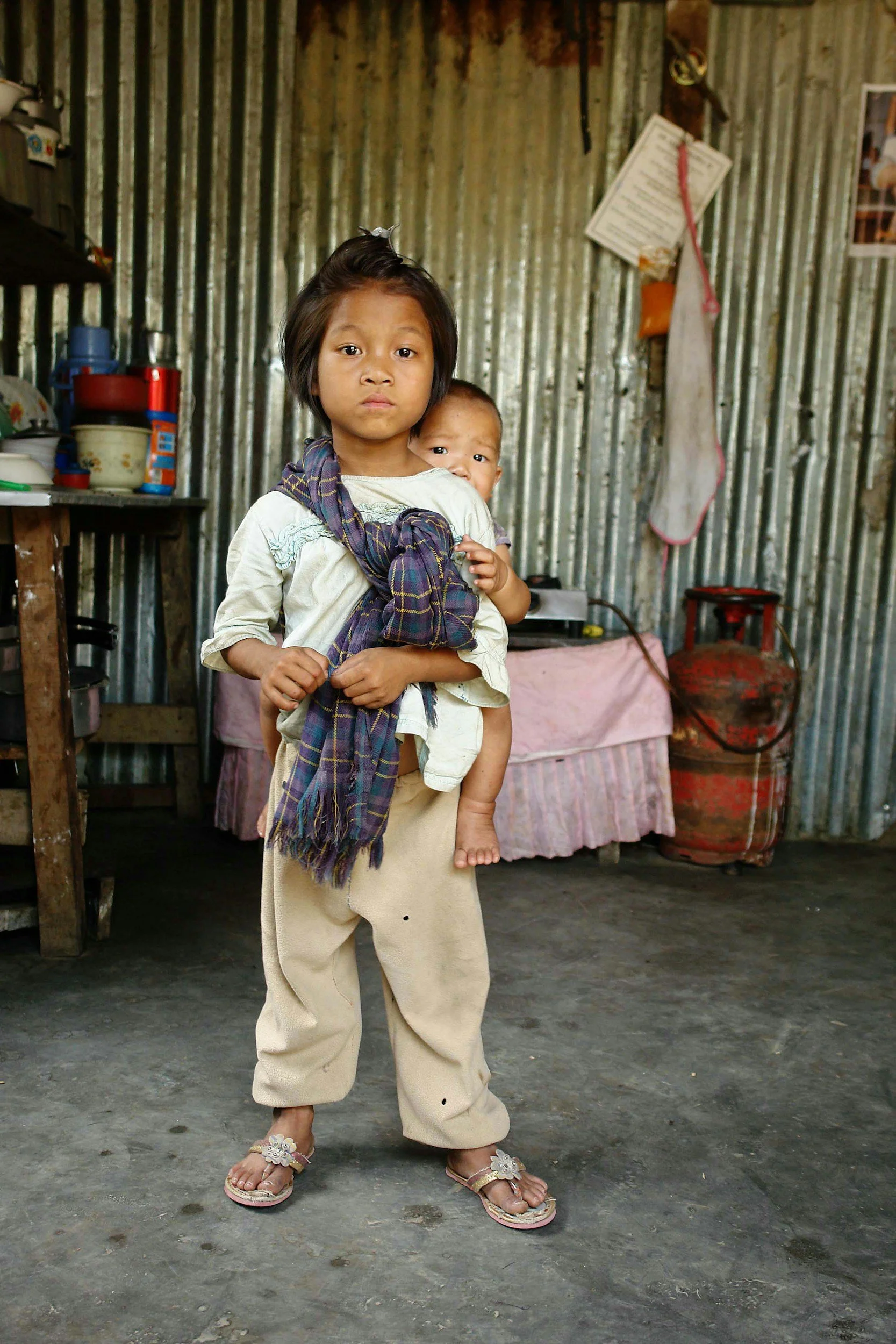
Children sit at the center of this dynamic. They are the first to register instability, the first to adapt, and the least protected by abstraction. Long before policy is written or security is debated, children feel the consequences of decisions made elsewhere. Their lives reflect the truth of institutions more clearly than any report ever could.
My work grows from a belief that protection cannot be reduced to reaction. It must be designed. It must account for power, for emotion, for the way trauma moves through bodies and cultures, and for the limits of intention in environments shaped by politics and fear. Strategy, in this sense, is not calculation alone, rather a discipline of responsibility.
I am interested in the long arc: in how identity is formed under pressure, how empathy is conditioned or eroded, and how leadership either amplifies harm or interrupts it. I pay attention to what is unsaid in rooms where decisions are made, and to what becomes normalized through repetition. I am less concerned with visibility than with coherence, with whether the structures we build can hold when attention shifts and presence disappears.
This is the lens I carry with me, wherever I work. It is not one of certainty, but of sustained inquiry. A commitment to remain attentive at the points where harm becomes legible — and to design responses that endure beyond the moment they are needed.
Current Work
That lens has brought me, with purpose, into the space of diplomacy and international security. I am currently focused on understanding how global threats — conflict, political violence, and strategic instability — are assessed, interpreted, and acted upon, and how those processes shape lives long before consequences become visible. My work now engages questions of nonproliferation, terrorism, and threat intelligence not as abstractions, but as decision-making environments in which protection is either built into strategy or left to chance.
I am interested in how security is defined, whose fears are prioritized, and what is normalized in the name of stability. Diplomacy, is not performance or protocol alone; it is the practice of navigating power with restraint, clarity, and accountability. It is the space where ethical commitments meet political reality — and where the cost of miscalculation is most often borne by those with the least access to power.
So here lies my attention now: in the design of policy, strategy, and institutional responses that recognize child protection as inseparable from peace and security, and that treat foresight, empathy, and responsibility as strategic assets rather than afterthoughts.